
Advanced Security Systems for Smart Buildings

Advanced security systems for smart buildings are critical to the safety and protection of residents and assets. These systems use cutting-edge technology like artificial intelligence, machine learning, and the Internet of Things (IoT) to deliver extensive, real-time monitoring and threat detection capabilities. Biometric access controls, smart surveillance cameras, and automated alarm systems improve security by enabling quick response to potential threats. Additionally, these integrated systems include remote monitoring capabilities, allowing building administrators to observe and manage security operations from anywhere. Overall, advanced security systems play an important role in protecting smart buildings from modern security threats.
This blog explores advanced security systems in smart buildings.
1. Facial Recognition and Biometric Access Control

Facial recognition and biometric technologies improve security by ensuring that only authorized personnel have access to certain areas of a building.
Facial Recognition: Uses cameras and AI algorithms to identify people based on their facial characteristics. This technology allows you to grant or reject access fast and correctly, which improves security and ease.
Biometric Systems: These systems identify users based on unique biological traits such as fingerprints, iris patterns, or voice recognition. Biometric access is extremely secure and difficult to falsify.
2. AI-Powered Surveillance Cameras

AI-enhanced surveillance cameras provide sophisticated functionality beyond basic video recording.
Real-Time Threat Detection: Artificial intelligence systems can examine video feeds in real time to detect suspect behavior such as loitering, unauthorized entry, or strange movement patterns. Alerts are immediately relayed to security staff.
Facial Recognition Integration: Cameras can recognize familiar faces, track their movements, and notify security if an unauthorized person is discovered.
Behavior Analysis: Artificial intelligence may evaluate building behaviors to detect potential security issues or abnormalities that require additional examination.
3. Smart Sensors and IoT Devices

A network of interconnected sensors can provide complete security monitoring throughout a building.
Intrusion Detection: Motion sensors, window and door sensors, and glass break detectors can notify security professionals of unwanted entry.
Environmental Monitoring: Sensors that detect smoke, fire, gas, and water leaks protect the facility from environmental risks. These sensors can sound alerts and initiate automatic responses, such as turning off utilities.
Wearable Technology: Employees can wear devices that connect with the building's security systems, ensuring their location and safety at all times and allowing for quick reaction in the event of an emergency.
4. Access Management Systems
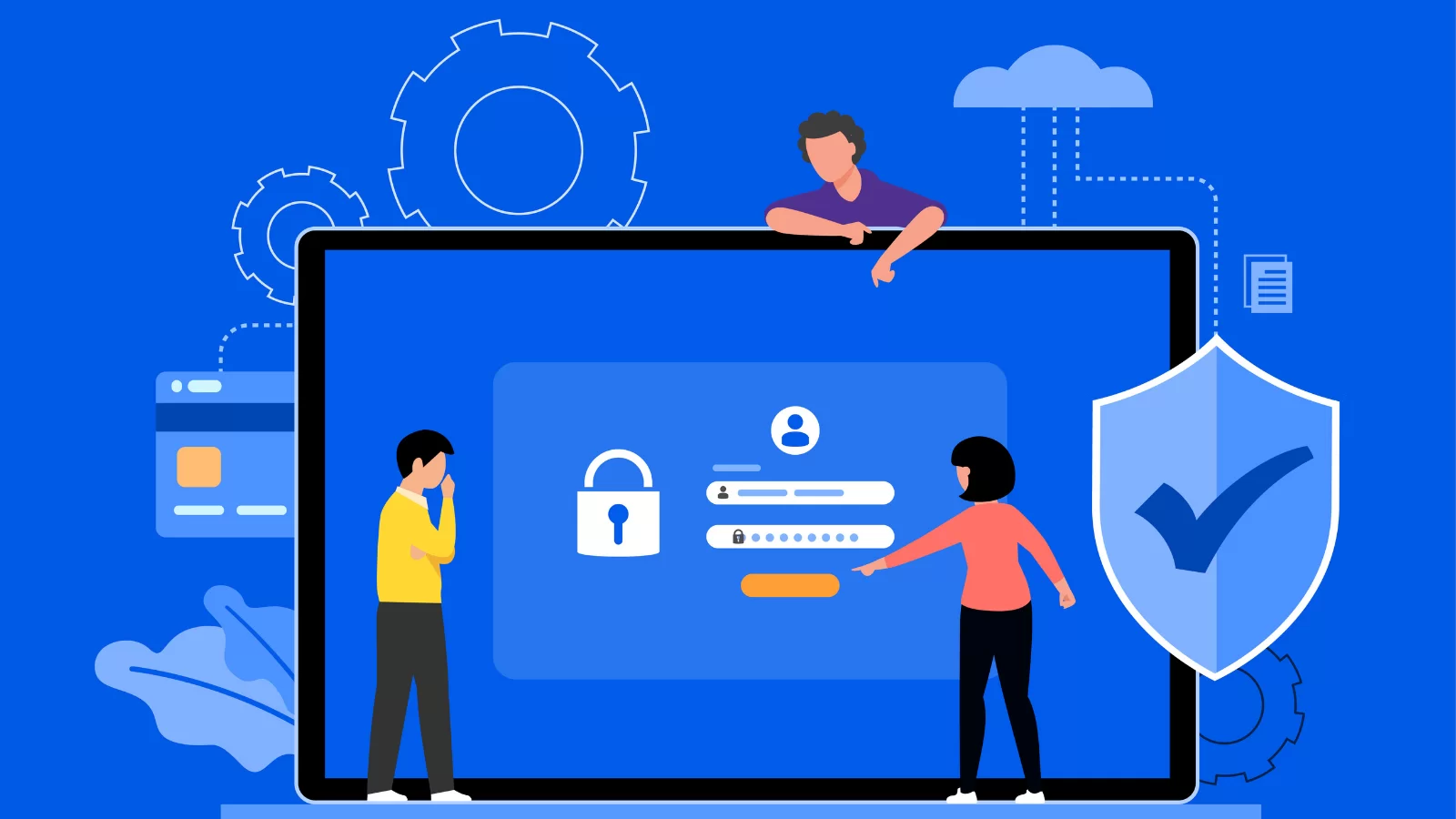
Advanced access management systems determine who and when can enter different areas of a building.
Smart Card Systems: Employees utilize smart cards that can be configured with different degrees of access, allowing them to enter certain locations based on their credentials and time of day.
Mobile Access Control: Smartphones and other mobile devices can be used as access credentials, allowing for greater flexibility and administration simplicity. These systems can also use geofencing to limit access based on location.
Cloud-Based Management: Cloud-based access control enables remote management of access permissions, including real-time updates and audit trails.
5. Integrated Security Management Platforms

These platforms concentrate the management of several security systems, giving users a full view and control from a single interface.
Unified Dashboard: With a single dashboard, security staff can monitor and operate surveillance cameras, access restrictions, alarm systems, and sensors, enhancing situational awareness and response times.
Automated Responses: Integrated platforms can automate security events such as area lockdowns, alarm activation, and emergency notification.
Data Analytics: These platforms employ data analytics to detect patterns and trends, allowing them to predict and prevent security incidents.
6. Drones and Robotics

Drones and robots can improve security by increasing observation and reaction capabilities.
Surveillance Drones: Drones equipped with cameras and sensors may patrol broad regions, offering aerial views and accessing difficult-to-reach locations. They can be set up for routine patrols or launched in response to alerts.
Security Robots: Armed with cameras, sensors, and communication devices, autonomous robots can patrol both the interior and exterior of buildings. They can detect intruders, monitor environmental conditions, and communicate with humans using speech and video.
7. Cybersecurity Measures

Protecting digital infrastructure is critical to the overall security of smart buildings.
Network Security: Firewalls, intrusion detection systems, and encryption secure the building's network against cyber threats. Regular security audits and updates offer long-term protection.
IoT Security: Providing robust security measures for IoT devices, such as secure boot, encrypted communication, and regular firmware updates, to prevent hackers from exploiting them.
Access Control and Authentication: All digital systems will use multi-factor authentication and role-based access control to guarantee that only authorized personnel have access to sensitive data and systems.
8. Emergency Response Systems

Advanced emergency response systems ensure that buildings are ready for a variety of emergencies.
Automated Alerts: In the event of a security breach, fire, or other emergency, automated alert systems can notify residents using alarms, public address systems, and mobile alerts.
Evacuation Guidance: Smart buildings can use digital signage, voice instructions, and lighting systems to direct residents to safety during an emergency, tailoring pathways to the location and nature of the threat.
Integration with First Responders: Direct communication lines between the building's security system and local emergency services provide a prompt response, including real-time information sharing about the nature and location of the incident.
Conclusion
Advanced security systems are an essential component of smart buildings, providing reliable protection using cutting-edge technology. As these systems advance, they will provide even greater safety, efficiency, and convenience, ensuring that smart buildings remain secure in an increasingly interconnected world.
By staying up to date on the newest breakthroughs and trends in security technology, building managers and owners can better secure their assets and people, making smart buildings not only more intelligent but also safer and more robust.


Our Mission
At ProBuilderHub, we strive to empower small businesses and corporations by providing an all-in-one software solution that promotes growth and success, especially for contractors. We believe in facilitating access to a wide range of industries and bridging the gap between skilled individuals and businesses. Our mission is to create a community in which expertise is appreciated and opportunities abound, allowing businesses of all sizes to thrive and succeed.